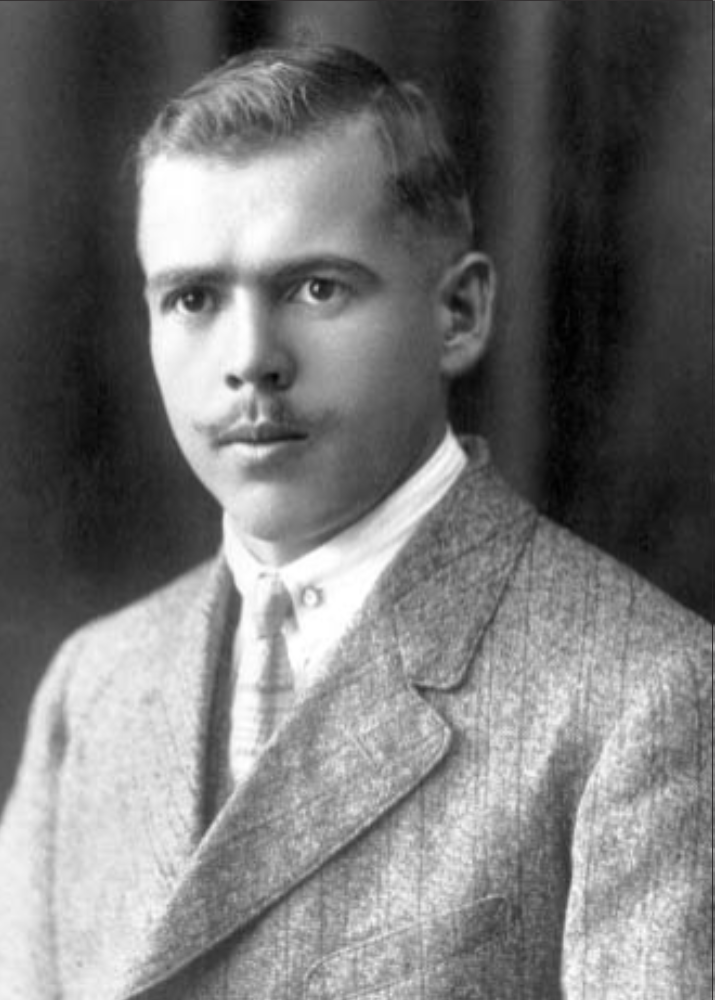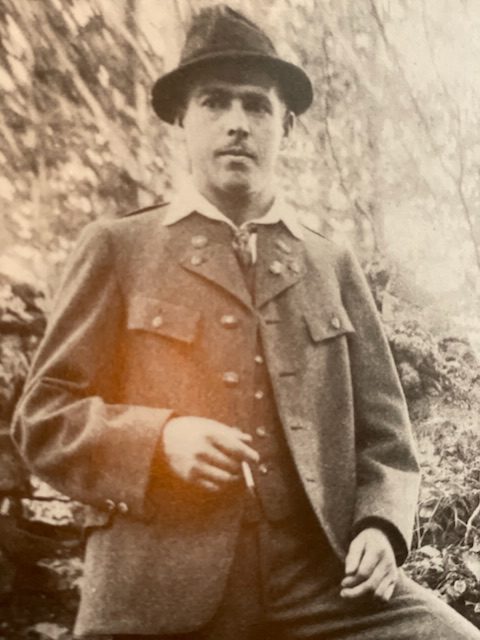
Bl. Franz Jägerstätter OFS (1907 - 1943)
A Franciscan Martyr and Advocate for Non-Violence and Peace.
We visited the home of Franz Jägerstätter in 2010, 2022 and 2025 with different groups.
Franz and Franziska joined the Secular Franciscan Order in the 1930s.
Read about a Pilgrimage to St. Radegund, May 2025, home of Blessed Franz and Franziska Jägerstätter.
Read more about very emotional and touching encounters.
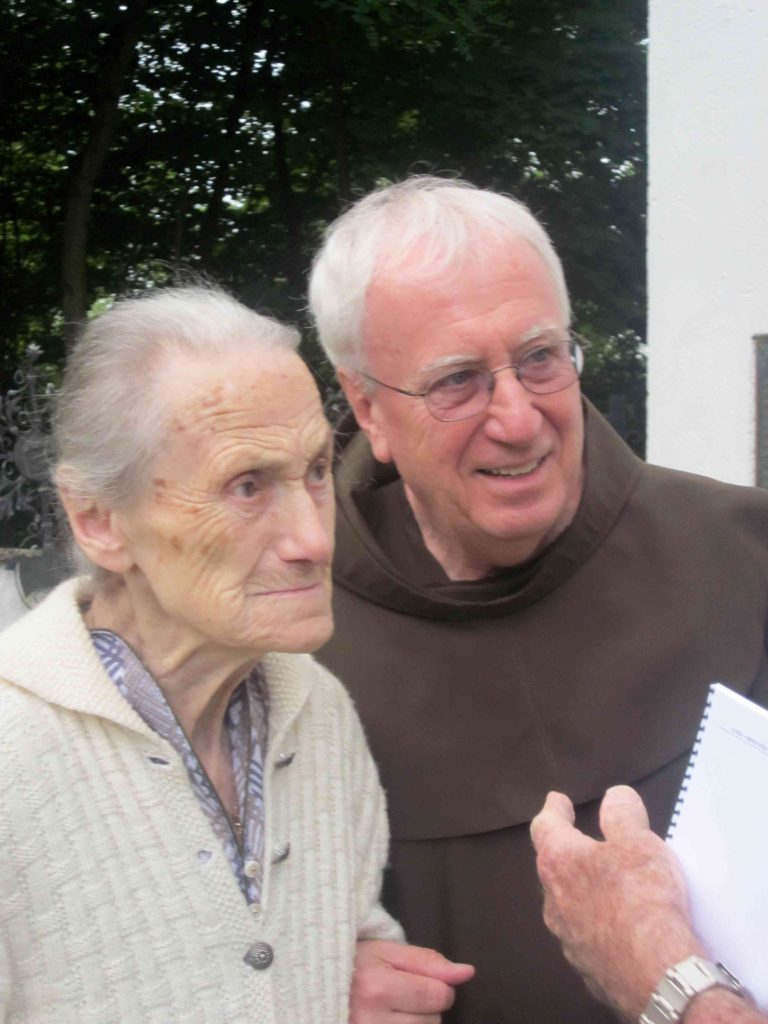
A Holy Couple
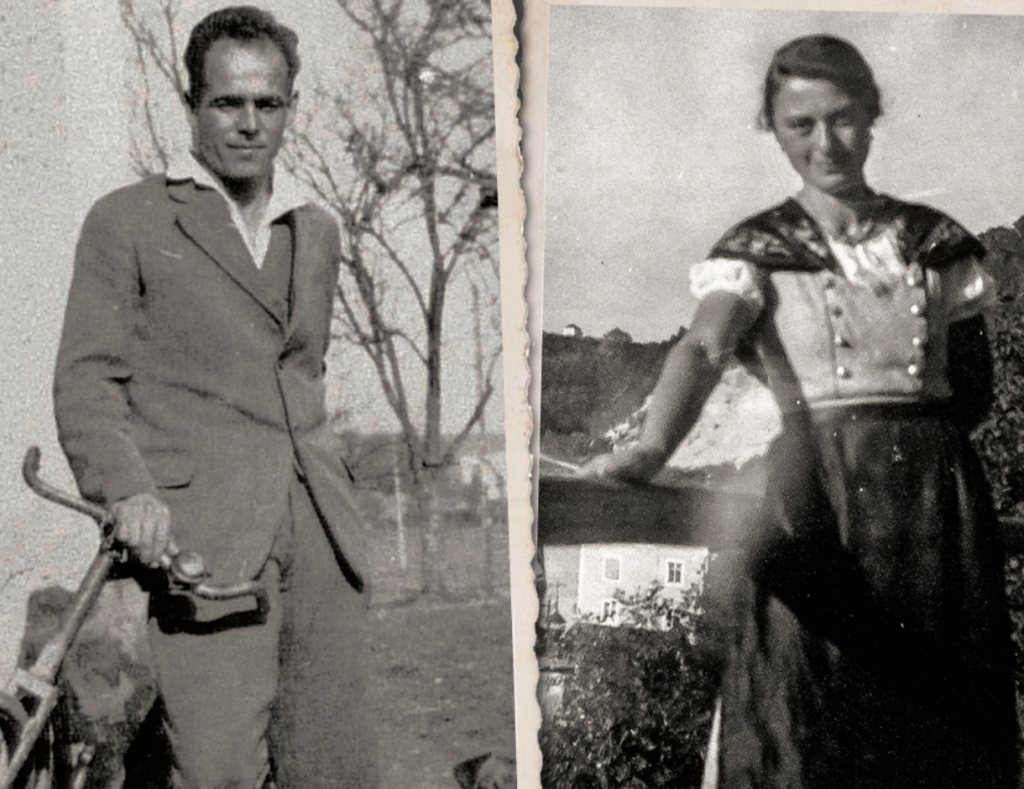
Franz Jägerstätter was born 1907, an illegitimate child, and was raised by his mother, Rosalia Huber. So, for the first ten years of his life, his surname was Huber. His parents, both being poor, were unable to marry and raise their child. When his grandmother died, he moved into his father´s parents home, the Bachmeier family. In 1917 his mother married Heinrich Jägerstätter, a farmer in St. Radegund, who then adopted Franz who was given the surname, Jägerstätter. And it was Heinrich´s father Matthew (+1930), also living on the same farm, who possessed a small library, who inspired Franz to love reading.
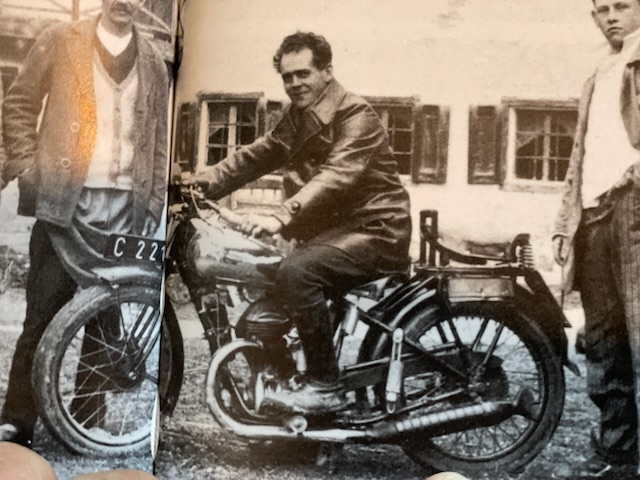
In 1927, Franz moved across the border to Teising to work on a farm, and in 1930, moved to Eisenerz and became a miner. He used his wages to purchase a motorcycle which stirred up the people of the village because it was the first of its kind in St. Radegund.
When his adoptive father Heinrich died in 1933, he left the farm to Franz. On August 1,1933 Theresia Auer gave birth to a baby girl out of wedlock. But Franz acknowledged Hildegard to be his child, even though the Jägerstätter family never accepted her.
On Holy Thursday 1936, Franz married Franziska Schwanninger (1913–2013). Both had previously been thinking of entering a religious congregation, Franz being especially attracted to the Capuchins of Altötting where the new saint, Konrad, was buried. They spent their honeymoon in Rome.
Franz and Franziska had three daughters: Rosalia in 1937, Maria in 1938 (+ 2025), and Luise in 1940.
In addition to being a farmer, Franz was the sacristan of church in St. Radegund. Inspired by his wife Franziska, Franz began to read the Sacred Scriptures, church teachings and religious literature, especially lives of the saints.
And in January 1938, he had a dream of a train. Multitudes of people were entering the train. And a voice said to him: “This train is bound for hell.” His interpretation was that it was a warning against the encroaching Nazis regime.
Austria was taken over by Nazi-Germany on March 12, 1938. Even though the vote in his village was 100 percent in favor of this union, Franz had voted against it. His fellow-citizens knew this and wanted to protect him. In fact, they wanted him to become mayor, but he refused. Later on, Franz called this takeover the moment when the Austrian Church became imprisoned by the Nazi regime. So, Franz withdrew more and more from public life and refused to financially support the Nazi-party.
On June 17, 1940 he was summoned to join the army. Franz did not ask to be released from military service because he thought it would be sinful. However, the mayor of St. Radegund intervened because of the needs of the family farm, and had him returned.
In October of the same year, he was again called to train as a driver for the military at Enns. On December 8, 1940, also at Enns, he joined the Secular Franciscan Order together with his friend Rudolf Mayr. Again, by an intervention of St. Radegund, he went home to his family in April 1941. His family and farm needed him! When he returned in the summer of 1941, he started to attend daily mass and work as sacristan at St. Radegund.
His decision to become a conscientious objector grew as he experienced the Nazi-program of euthanasia as well as their targeting the Catholic Church. Later on, because of this, his wife was accused of not having challenged him enough.
On February 23, 1943, Jägerstätter was called up again for military service and arrived at Enns March 1. He announced his refusal of military service, and was brought to Linz where he was imprisoned. On May 4, 1943 he was transferred to Berlin-Tegel prison, still adamantly refusing to withdraw his refusal to serve saying: “Better my hands be bound rather than my will!”
On July 6, 1943 the Reichskriegsgericht sentenced him to death. On August 9, 1943, Franz Jägerstätter was brought to Brandenburg and beheaded. His body was cremated and his cremains put into an urn with his name on it. Franciscan Sisters who cared for the cemetery were able to preserve his ashes. The same Sisters sent the urn back to St. Radegund in 1946.
Visiting St. Radegund and the Jägerstätter Family in 2025
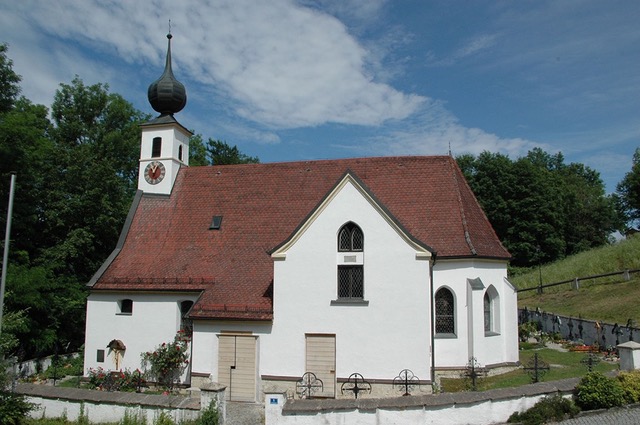
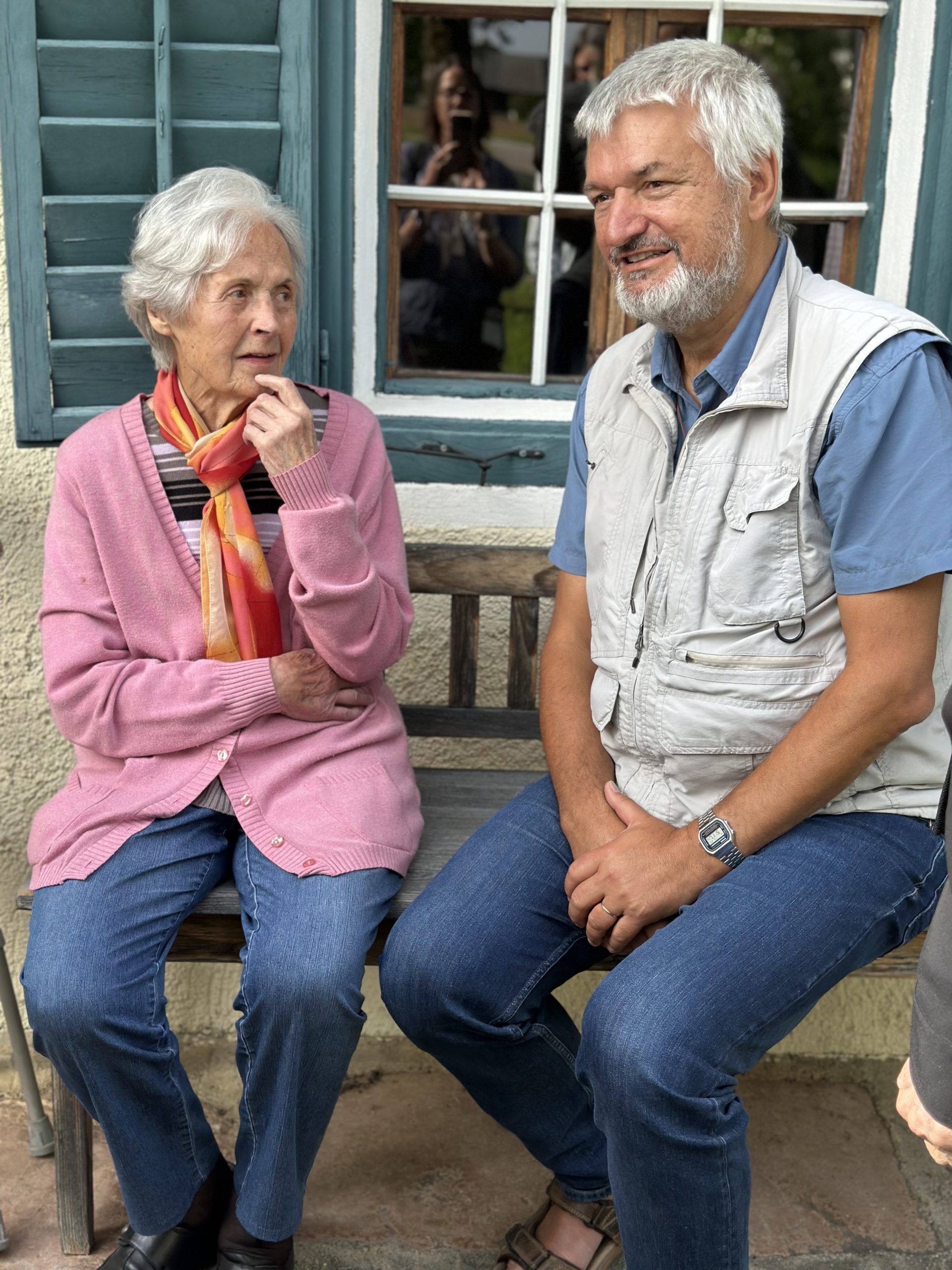
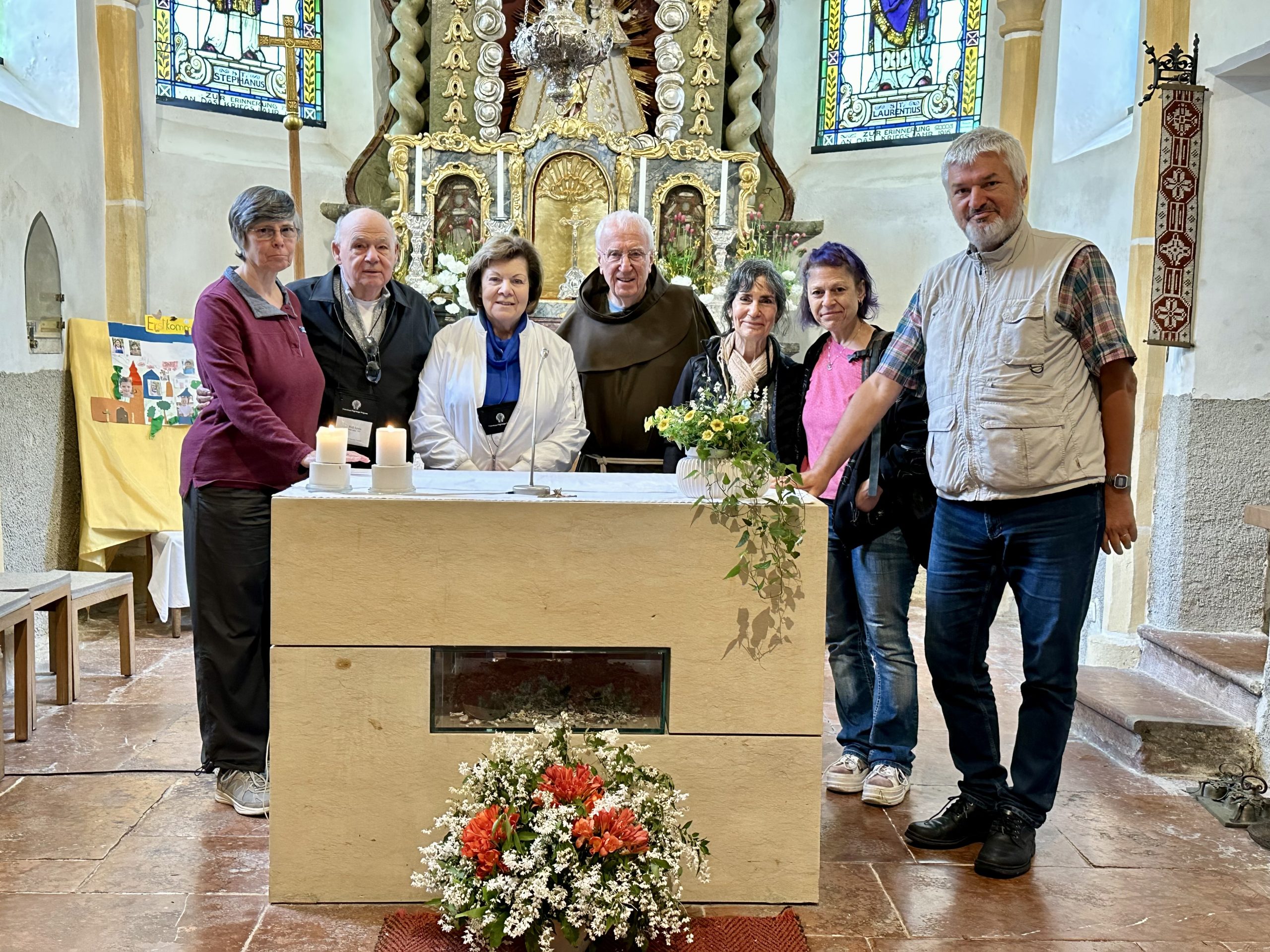
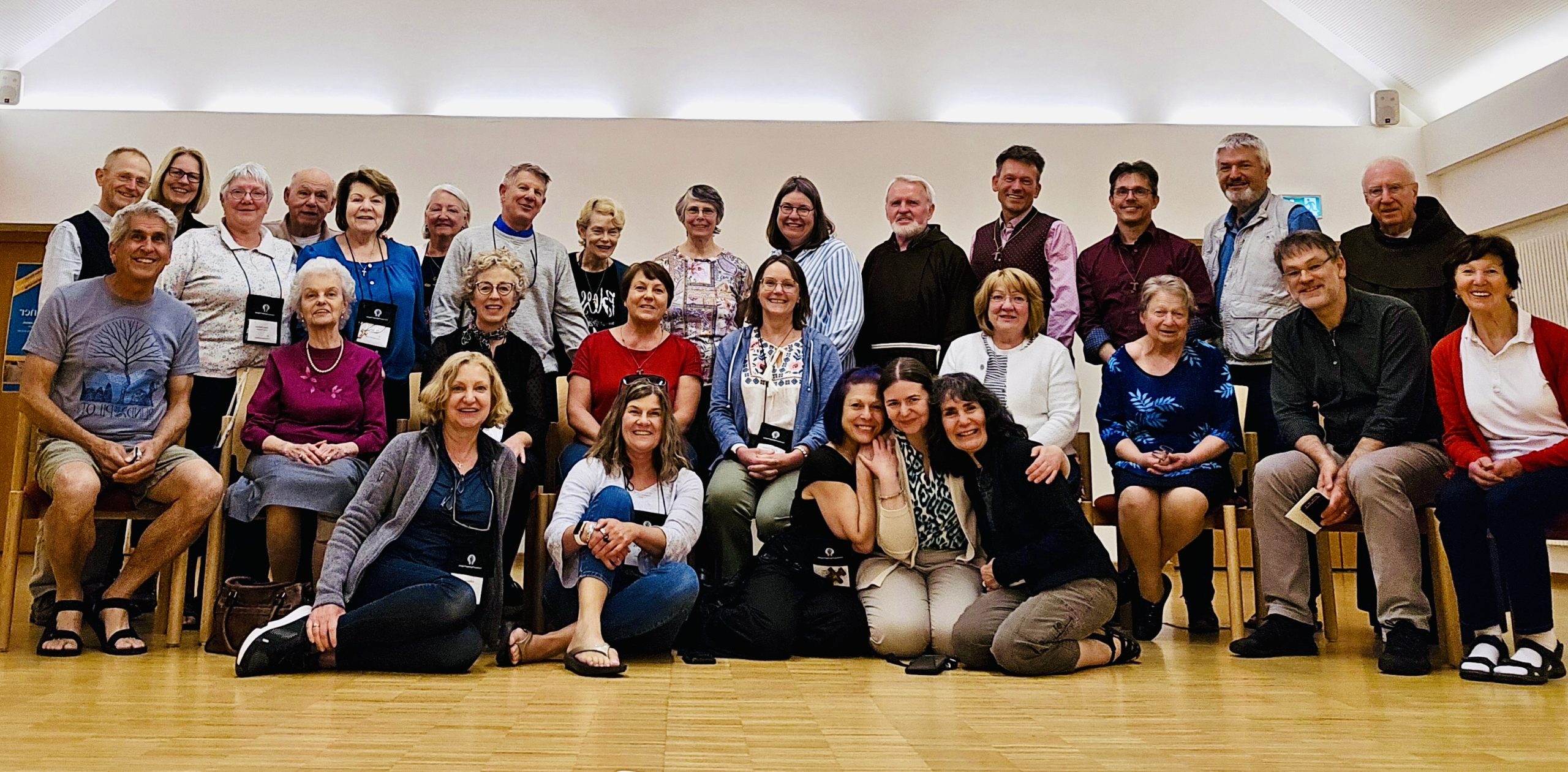
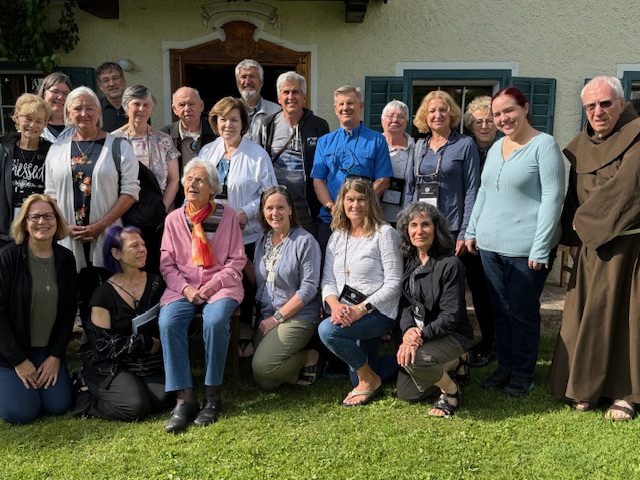
You can see here the parish church of St. Radegund, Franz and his motorcycle, Josef Raischl speaking with Maria (+2025) and groups of pilgrims, especially Secular Franciscans (local fraternity as well as fraternities in Flagstaff/ Arizona and New York.